TOP 5 HOME REMODELING PROJECTS THAT ADD THE MOST VALUE IN 2025
Whether you're planning to sell your home or simply want to upgrade your living space, home remodeling can be one of the smartest investments in 2025. But not all renovations offer the same return. At Lucero Remodeling, we’ve seen firsthand which projects bring the most value — not just in looks, but also in resale potential.
1. Kitchen Remodeling
Estimated ROI: 70–80%
The kitchen remains the heart of the home — and one of the most valuable areas to remodel. Upgrading appliances, cabinets, countertops, lighting, and flooring can dramatically improve function and appearance.
Tips:
- Opt for modern, energy-efficient appliances
- Use durable surfaces like quartz or granite
- Add a tile backsplash for style and easy cleaning
2. Bathroom Renovation
Estimated ROI: 60–75%
A clean, updated bathroom can be a major selling point. Whether it's a full remodel or just replacing the vanity and fixtures, bathroom updates increase comfort and add value.
Popular updates include:
- Walk-in showers with glass doors
- Dual-sink vanities
- Ceramic or porcelain tile floors and walls
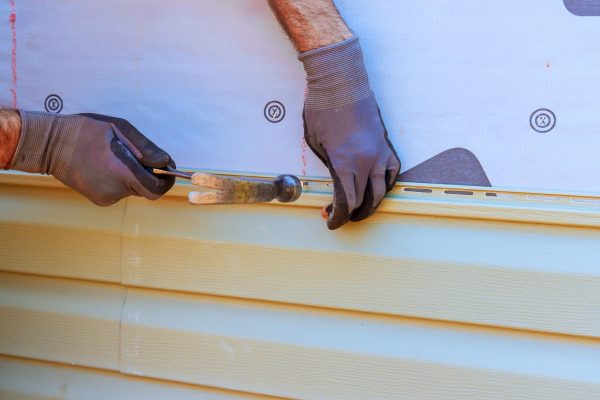
3. Siding Replacement
Estimated ROI: 75–85%
Curb appeal is everything. Replacing old or damaged siding not only makes your home look newer but also improves energy efficiency and structural protection.
Recommended materials:
- Vinyl siding for affordability and low maintenance
- Fiber cement for durability and modern look
4. Deck or Patio Addition
Estimated ROI: 65–75%
Outdoor living spaces are more in demand than ever. A custom-built deck adds functional square footage for entertaining and relaxation, while increasing resale value.
Popular choices in 2025:
- Composite decking (low maintenance)
- Natural wood with weather-resistant sealants
- Built-in seating or pérgolas
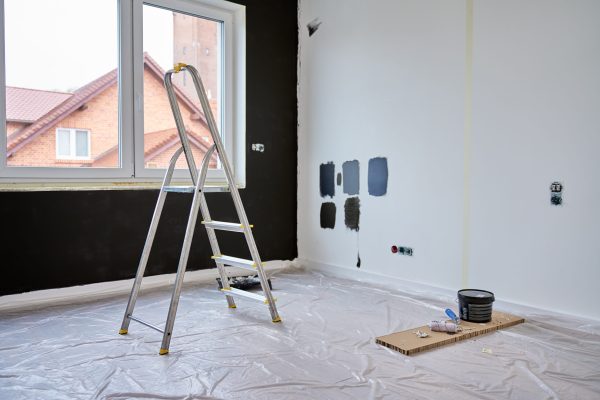
5. Interior & Exterior Painting
Estimated ROI: 50–70%
Fresh paint is one of the most cost-effective ways to update your home’s appearance and make a great impression — inside and out.
Tips:
- Stick to neutral tones for resale
- Use weather-resistant paints for exterior jobs
- Don’t skip the prep work — it ensures durability
HOW TO CHOOSE THE RIGHT FLOORING FOR EACH ROOM IN YOUR HOME
Choosing the perfect flooring isn’t just about looks — it’s about function, lifestyle, and longevity. Each room in your home has different needs, and selecting the right flooring can make a big difference in comfort, maintenance, and resale value.
At Lucero Remodeling, we help homeowners across Pennsylvania, New Jersey, and Delaware make smart flooring decisions that fit their space and budget. Here’s a complete guide to help you choose the right flooring for every room in your home.
1. Living Room: Style Meets Comfort
The living room is a high-traffic area and often the heart of the home, so you need something that’s both durable and visually appealing.
Best Options:
- Hardwood Flooring – Classic and elegant, adds resale value
- Luxury Vinyl Plank (LVP) – Waterproof, durable, and stylish
- Laminate – Affordable and scratch-resistant
Consider: Warmth, scratch resistance, and matching your décor style.
2. Kitchen: Durability & Easy Maintenance
Kitchens deal with spills, heat, and heavy foot traffic, so you need something that can handle it all.
Best Options:
- Ceramic or Porcelain Tile – Waterproof and easy to clean
- LVP – A popular, comfortable alternative to tile
- Waterproof Laminate – Budget-friendly and stylish
Avoid: Hardwood (unless engineered and properly sealed)
3. Bathroom: Moisture is the Enemy
Bathrooms require waterproof and mold-resistant flooring that’s also safe underfoot when wet.
Best Options:
- Porcelain Tile – Elegant, slip-resistant, and water-resistant
- Vinyl Sheet or LVP – Seamless options reduce moisture penetration
- Natural Stone – Luxurious but requires sealing
Avoid: Laminate and hardwood.
4. Bedroom: Comfort First
Bedrooms are all about comfort and warmth, so you want flooring that feels good underfoot and adds a cozy atmosphere.
Best Options:
- Carpet – Soft and warm (especially in colder climates)
- Hardwood – Timeless and adds elegance
- LVP or Laminate – Great for kids' rooms due to durability
5. Basement: Moisture Control is Key
Basements can be damp or prone to water intrusion, so your flooring must be resistant to moisture and mold.
Best Options:
- Vinyl Plank or Tile – Waterproof and durable
- Epoxy Flooring – Industrial strength and easy to clean
- Sealed Concrete – Modern, minimalist, and budget-friendly
Avoid: Hardwood, carpet, or any water-sensitive materials
6. Laundry Room or Mudroom: Heavy-Duty Flooring
These rooms see a lot of dirt, water, and foot traffic — so choose something tough and easy to clean.
Best Options:
- Tile – Long-lasting and waterproof
- LVP – Comfortable and highly resistant to damage
- Concrete or Rubber Flooring – Great for utility spaces
SIGNS IT’S TIME TO REPLACE YOUR SIDING — AND WHY YOU SHOULDN’T WAIT
Your home’s siding is more than just a decorative layer — it’s your first line of defense against weather, moisture, pests, and structural damage. But like anything else, siding wears out over time. Knowing when to replace it can save you thousands in future repairs and dramatically improve your home’s appearance and energy efficiency.
7 Clear Signs Your Siding Needs to Be Replaced
1. Visible Cracks, Warping, or Holes
Physical damage is one of the most obvious signs your siding is failing. Cracks, gaps, or warping let in water and pests, which can cause rot and mold behind the walls.
Don’t ignore it: What looks like a small issue on the outside may be hiding much bigger problems underneath.
2. Frequent Need for Painting
If your siding fades quickly or you find yourself needing to repaint every few years, it’s a sign that your siding is no longer holding its finish — a clear indicator of age and weather damage.
Modern siding options like vinyl or fiber cement retain color for decades with minimal upkeep.
3. Increased Energy Bills
If your heating or cooling bills are climbing, your siding may be to blame. Damaged or outdated siding reduces your home’s insulation, forcing your HVAC system to work harder.
Energy-efficient siding can help regulate indoor temperatures and reduce monthly utility costs.
4. Interior Wall Issues (Peeling Paint or Wallpaper)
If you notice paint peeling or bubbling on interior walls, it could be a sign that moisture is getting in through failing siding.
Moisture infiltration is dangerous and can lead to mold growth, insulation damage, and even structural decay.
5. Rotting or Soft Spots
Push on the siding in certain areas — if it feels soft, it’s likely rotting underneath. This is common in wood siding, especially after years of rain and snow exposure.
Rot spreads fast, so it’s important to replace affected sections or consider a full siding upgrade.
6. Mold, Mildew, or Fungus
Dark stains or patches of mold on your siding, especially near seams, indicate that moisture is being trapped behind the boards — a serious problem that needs immediate attention.
7. Outdated Appearance
Sometimes siding may still “work” but looks worn, faded, or outdated. If you’re planning to sell or want to boost curb appeal, new siding can give your home a fresh, modern look — and a better resale value.
INTERIOR VS. EXTERIOR PAINTING: WHAT YOU NEED TO KNOW BEFORE STARTING YOUR PROJECT
Painting your home or business is one of the easiest ways to refresh your space, boost curb appeal, and even increase property value. But interior and exterior painting are very different projects — and knowing the differences will help you plan better and avoid costly mistakes.
Interior Painting: Comfort, Style & Precision
Interior painting is all about creating a beautiful, inviting, and personalized environment. Because it happens indoors, the process requires extra care in preparation and product selection.
✅ What to Expect:
Preparation is key: Before applying paint, we patch holes, sand surfaces, and ensure walls are clean and smooth.
Health-friendly products:
We use low-VOC or zero-VOC paints to maintain good indoor air quality — especially important in bedrooms and living spaces.
Lighting matters: Interior colors can look very different under artificial and natural light. We recommend testing paint samples in both.
Attention to detail: We focus on clean lines, smooth finishes, and protecting your furniture and flooring throughout the process.
Common Areas:
- Living rooms
- Bedrooms
- Kitchens and bathrooms
- Hallways and ceilings
- Trim and baseboards
Exterior Painting: Protection & Curb Appeal
Exterior painting is more than just a cosmetic upgrade — it protects your property from weather damage, moisture, mold, and UV rays. It also gives your home or business a fresh, attractive look.
✅ What to Expect:
Weather matters:
We carefully plan exterior projects based on temperature, humidity, and rain forecasts to ensure proper paint adhesion and drying.
Power washing & surface prep:
We clean the surfaces thoroughly, remove peeling paint, and repair damaged areas before starting.
Durable materials:
We use premium, weather-resistant paints that are formulated to resist fading, mildew, and cracking.
Priming when needed: Bare wood or heavily weathered surfaces are primed to ensure long-lasting results.
Common Areas:
- Siding (vinyl, wood, fiber cement)
- Stucco and brick
- Doors and windows
- Garage doors and shutters
- Fences and decks
Key Differences at a Glance
Environment: Interior painting happens in a controlled environment, while exterior painting must adapt to weather conditions.
Paint Type: Interior paints focus on air quality and aesthetics; exterior paints must withstand harsh elements.
Prep Work: Interiors require patching and sanding; exteriors need cleaning, scraping, and sometimes priming.
Tools: Interior jobs use finer brushes and rollers; exteriors often require ladders, sprayers, and heavier tools.
Durability Needs: Exterior paint must protect the structure, while interior paint prioritizes beauty and washability.